
Real estate investment in Dubai
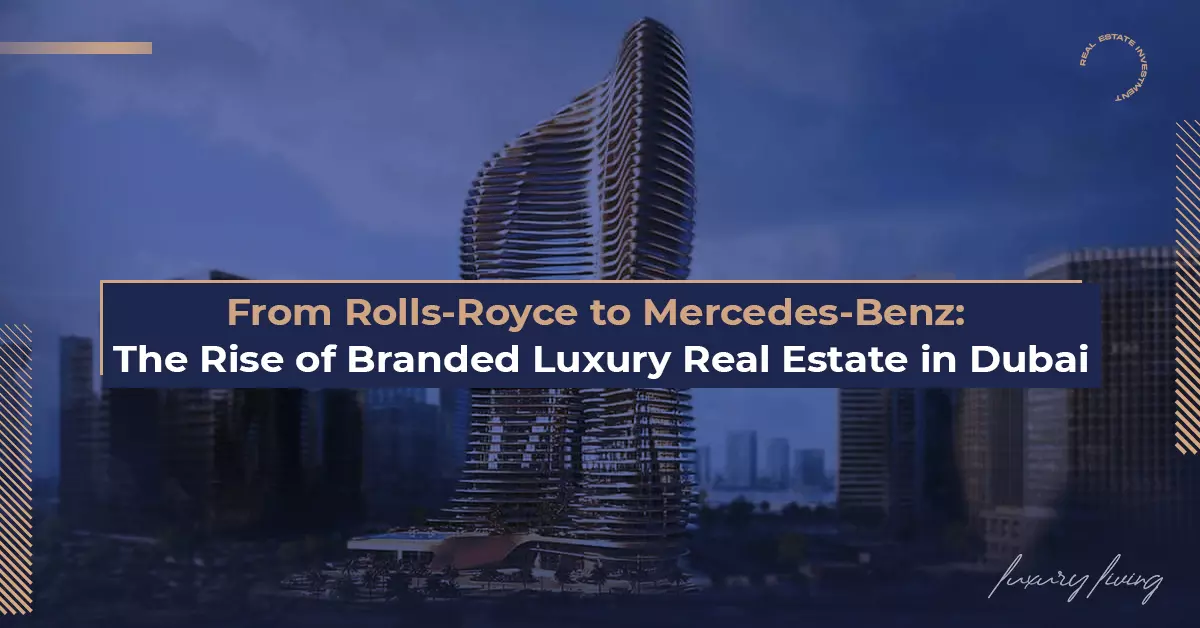
From Rolls-Royce to Mercedes-Benz: The Rise of Branded Luxury Real Estate in Dubai
Font Size :
Table of Contents
- The luxury shift: when a residence becomes a complete brand experience
- What exactly is a branded residence?
- Why Dubai is the ideal stage for branded luxury real estate
- What luxury automotive brands teach the property market
- Why buyers choose branded residences in Dubai
- Is a branded residence automatically a better investment?
- The Dubai locations worth analysing
- A practical buying framework for international clients
- How Bloom Luxury Signature supports the decision
- The next chapter: beyond the logo
The luxury shift: when a residence becomes a complete brand experience
A Rolls-Royce or a Mercedes-Benz is never evaluated only as a machine that moves from one place to another. Buyers read the design language, the craftsmanship, the performance, the silence, the service, and the social meaning behind the badge. The same logic is now transforming the high-end housing market. In Dubai, a luxury home is increasingly judged not only by its floor plan, view, or finish, but also by the quality of the experience that surrounds ownership.
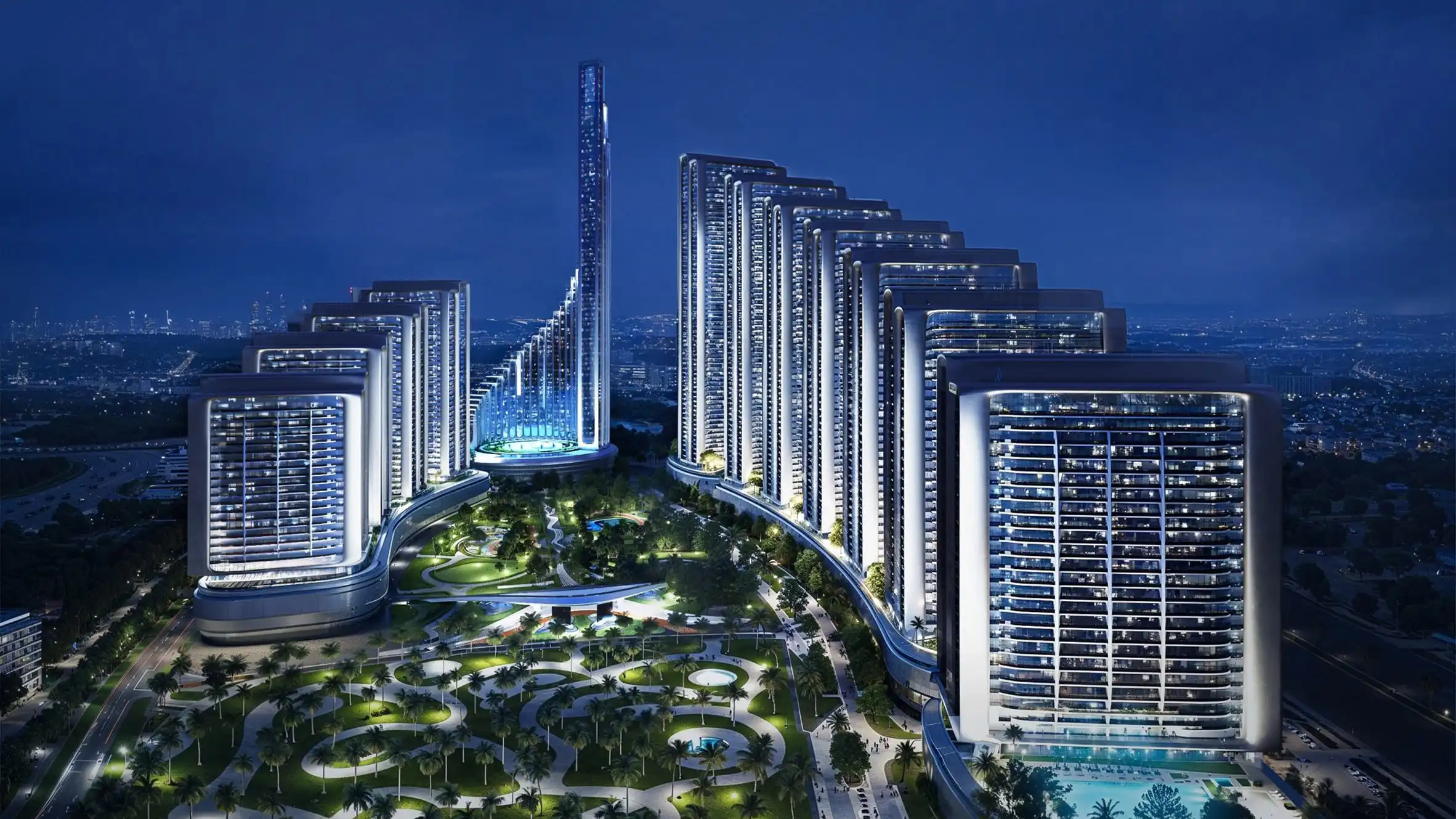
This is the context behind the rise of branded residences. The category sits at the intersection of luxury real estate, hospitality, design, and lifestyle. A branded residence can be associated with a hospitality, fashion, automotive, or design identity, yet the name is only the beginning. The meaningful question is whether that identity is translated into better architecture, disciplined operations, thoughtful services, privacy, and a consistent standard of care after handover. Mercedes-Benz Places Binghatti City
The short answer: branded luxury real estate in Dubai refers to high-end homes connected to a distinctive brand promise and supported by a defined design or service concept. Buyers are drawn to the category because it can reduce uncertainty and elevate daily living, but the brand should be assessed alongside location, developer quality, operator obligations, service charges, ownership terms, and resale liquidity.
What exactly is a branded residence?
A conventional luxury development may offer premium materials, impressive amenities, and an excellent address. A branded residence adds a recognizable point of view. Its interiors, arrival experience, landscaping, concierge culture, wellness offer, hospitality standards, and resident communications are expected to feel connected rather than assembled from unrelated features.
That connection matters because luxury is no longer defined simply by abundance. It is defined by coherence. A resident may value an entrance that feels calm, a service team that remembers preferences, a maintenance process that is discreet, or a private facility that is genuinely usable rather than merely photogenic. In a well-executed project, the brand provides a framework for these details.
The buyer should still identify the roles behind the experience. Who is developing the asset? Who owns the brand? Who operates the residence? Which services are contractual, and which are described only in marketing material? What happens if the operator changes? These questions are not signs of distrust. They are the normal discipline of buying a high-value asset. Mercedes-Benz Places by Binghatti: The World's First Mercedes Branded Residential Tower
Why Dubai is the ideal stage for branded luxury real estate
Dubai brings together the conditions that branded residences need in order to thrive: global connectivity, a sophisticated hospitality culture, a diverse population of international buyers, distinctive waterfront and urban locations, and a lifestyle that combines business, leisure, retail, dining, and year-round outdoor living.
The city also attracts several types of buyer at once. One family may want a second home with hotel-level service. Another may be relocating and looking for a secure, well-managed base. An investor may be assessing rental demand and long-term exit options. A private client may want a discreet residence that reflects personal taste. Branded residences can speak to all of these motivations, provided the product is designed for a real audience rather than a marketing slogan.
Dubai’s increasingly mature property environment also changes the conversation. International buyers are more informed than ever. They compare locations, developer track records, handover quality, ownership structures, service charges, leasing rules, and management options. In this setting, the role of a luxury real estate advisor is not to amplify excitement; it is to turn excitement into a decision that can be explained, tested, and managed.
What luxury automotive brands teach the property market
The connection between luxury cars and luxury homes is not literal. A residence is not a car, and a car brand should not be assumed to be involved in any particular property unless the relationship is formally documented. The connection is cultural and strategic: both sectors understand how to turn functional products into memorable experiences.
The first lesson is design discipline. The most powerful luxury products are recognizable without being noisy. They use proportion, material, light, and detail to create a confident identity. In property, that identity may appear in the arrival sequence, the lobby, the private lift, the joinery, the hardware, the landscape, or the way a view is framed.
The second lesson is service as a product. A buyer does not purchase a premium car and expect to be forgotten after delivery. The ownership journey includes maintenance, support, personalization, and relationship. Branded residences apply a similar idea through concierge services, housekeeping options, maintenance coordination, wellness programming, and resident support, depending on the project.
The third lesson is controlled personalization. Modern luxury is not about treating every customer identically. It is about maintaining a consistent standard while allowing the experience to feel relevant to the individual. This is why a serious buyer should ask not only what amenities exist, but how they are managed and whether residents can actually use them in a meaningful way.

Why buyers choose branded residences in Dubai
Trust is usually the first attraction. A property purchase is a major decision, particularly for an overseas buyer who may not be able to visit frequently. A strong brand can provide a familiar reference point, a clear design language, and a perception of accountability. It does not replace due diligence, but it can make the first conversation easier.
Convenience is the second. Many high-net-worth buyers have little interest in coordinating contractors, maintenance teams, housekeeping, landscaping, security, and guest access across multiple providers. A professionally operated residence can centralize those needs. The benefit is not glamour for its own sake; it is the saving of time and the reduction of friction.
Privacy and arrival experience also matter. The best luxury homes create a sense of calm before the front door opens. Access control, resident circulation, acoustics, landscaping, parking, storage, and staff protocols can have a greater effect on lived quality than a dramatic visual feature.
Finally, there is identity. A home may express a preference for understated craftsmanship, performance-led design, coastal living, wellness, or contemporary art. The right branded residence allows the owner to live inside a point of view without sacrificing comfort or practicality.
Is a branded residence automatically a better investment?
No. The professional answer is not automatically. A strong brand may justify a premium when it is supported by a compelling location, high construction quality, reliable operations, and durable demand. It does not guarantee a rental yield, a capital gain, or an effortless resale.
The first investment question is purpose. Are you buying to live, to rent, to preserve wealth, to diversify a portfolio, or to create a flexible second home? The second is comparability. What do similar homes in the same area cost when adjusted for size, view, floor, parking, finishing, amenities, and service charges? The third is operating reality. Which services are included? What are the annual costs? Are short-term leases permitted? Is the unit managed by a dedicated team? Can the owner use the residence during peak periods?
|
Evaluation area |
Question to ask |
Why it matters |
|
Location |
What creates demand in this address beyond launch marketing? |
A recognizable name cannot compensate for weak access or an unsuitable micro-location. |
|
Delivery quality |
How is construction quality measured and managed after handover? |
The physical asset remains the foundation of value. |
|
Brand and operator |
Which services are contractually committed? |
A logo is not an operating standard by itself. |
|
Service charges |
What do owners pay each year for management, facilities, and reserves? |
Gross income can look attractive before recurring costs are included. |
|
Occupier profile |
Who is likely to rent or buy this home later? |
Resale and leasing depend on real depth of demand. |
|
Exit strategy |
How could the property be leased or resold under different market conditions? |
A high-value purchase still needs flexibility. |
The purpose of this process is not to make luxury feel clinical. It is to ensure that emotion and evidence work together. A buyer can appreciate the architecture and still read the contract carefully.
The Dubai locations worth analysing
Downtown Dubai appeals to buyers who want an urban address close to business, dining, retail, and landmark experiences. It can suit an owner who values convenience and visibility, although traffic, density, and the exact view line should be assessed at building level.
Palm Jumeirah speaks to waterfront living, privacy, resort-style amenities, and a strong lifestyle narrative. The quality of the shoreline, access, service model, and long-term maintenance should be reviewed rather than assumed from the address alone.
Dubai Marina combines water views, a lively pedestrian environment, and proximity to leisure infrastructure. It may appeal to residents and tenants who want activity around them, while the tower’s age, parking, lift performance, and community management remain important.
Business Bay offers an urban setting near offices, dining, and central Dubai. A branded apartment here may be attractive to professionals and investors, but demand should be tested against supply, access, noise, and the specific building’s operating profile.
Jumeirah and established family-oriented communities can suit buyers who prioritize space, privacy, schools, parks, and daily convenience. Newer master-planned districts may appeal to those seeking emerging value and future amenities, but delivery schedules and the pace of community formation deserve careful review.
There is no universal ranking. The best area for luxury real estate in Dubai is the one that matches the buyer’s purpose, holding period, lifestyle, budget, and tolerance for uncertainty.
To discover the available options, browse Dubai Districts and choose the most suitable property for living or investment.
A practical buying framework for international clients
Begin by defining what luxury means in your life. Is it a sea view, a quiet bedroom, a private office, hotel service, a family-friendly community, or the ability to lock the door and travel without worry? This question creates a more useful brief than a generic request for the “best property in Dubai.”
Next, request the complete commercial picture. That includes the purchase price, payment schedule, registration and transaction costs, service charges, furnishing or fit-out obligations, management fees, and any restrictions on leasing or alterations. Compare the actual unit rather than the brochure image. Orientation, floor height, acoustic conditions, storage, parking, and the outlook from the living room can materially change the experience.
Separate the marketing promise from the contractual promise. Amenities, operating standards, and design features should be checked against official documents. For an off-plan purchase, review the developer, delivery structure, payment protections, expected completion, and remedies available under the relevant rules. For a completed home, inspect condition, defect history, maintenance records, occupancy, and actual operating costs.
International buyers should also seek qualified guidance on ownership procedures, financing, residency-related matters, and transaction obligations. The correct answer depends on the buyer’s circumstances and the property’s legal status. Good advice is specific, documented, and transparent about what it can and cannot confirm.
How Bloom Luxury Signature supports the decision
Bloom Luxury Signature approaches luxury property as both a lifestyle decision and a long-term asset decision. The process begins with the client’s purpose: a primary home, a second residence, a rental asset, a family portfolio, or a discreet acquisition. The shortlist is then built around location, property type, budget, service expectation, and intended use rather than around a random collection of attractive listings.
A specialized advisor adds value by connecting the details. Choosing a Dubai luxury apartment is not only about the lobby or the view; it is also about tenant appeal, recurring costs, interior adaptability, maintenance, privacy, and exit options. An international client may additionally need clear communication across languages and dependable follow-through from the first inquiry through completion, handover, management, leasing, or resale.
With experience across luxury markets and services that extend from sales and resale to leasing, property management, interior design, and personalized advisory, Bloom Luxury Signature aims to build relationships that continue after the transaction. Its role is to help clients understand the asset, test the assumptions, and choose with confidence.
The next chapter: beyond the logo
The next phase of branded luxury real estate will be defined less by the number of famous names and more by the quality of the promise delivered every day. Buyers will look for genuine wellness, useful technology, efficient operations, privacy, sustainability, and spaces that support work, family, rest, and hospitality without feeling over-programmed.
Asset management will become equally important. An international owner may need trusted support with inspections, maintenance, furnishing, leasing, reporting, and resale preparation. A resident owner may value rapid response, discretion, and a home that remains beautiful and functional over time. This is why high-end property management in Dubai is moving from a back-office service to a core part of the ownership proposition.
Dubai is well placed to shape this future because it understands the relationship between real estate, hospitality, mobility, retail, culture, and global capital. The city offers more than an address. It offers a platform for a particular way of living. When strong design, credible operations, and expert advice come together, a branded residence can become a meaningful home and a carefully considered asset.
If you are looking for branded luxury real estate in Dubai, begin with a clear understanding of how you want to live and what you want the asset to achieve. Then speak with Bloom Luxury Signature for a discreet, informed shortlist of luxury apartments, villas, and branded residences aligned with your goals.
Contact Bloom Luxury Signature today to arrange a private Dubai luxury real estate consultation.
Frequently asked questions
What are branded residences in Dubai?
They are luxury homes connected to a defined brand identity and supported by a particular design, hospitality, or service concept. The actual services, fees, operator role, and ownership terms vary by project and should be reviewed in the formal documents.
Are branded residences suitable for international buyers?
They can be, depending on the buyer’s purpose, budget, preferred location, ownership structure, and holding period. International buyers should review the property documents, costs, leasing rules, and applicable procedures with qualified advisors before committing.
Are branded residences more expensive than other luxury homes?
They may carry a premium for design, services, scarcity, location, and brand association. The premium should be tested against construction quality, actual operating standards, service charges, demand, and resale potential rather than accepted automatically.
Can a branded residence be rented out?
That depends on the project’s rules, management model, and permitted leasing structure. Ask about short-term and long-term leasing, management fees, owner-use periods, furnishing standards, and the net income assumptions before making a projection.
Which area is best for luxury property in Dubai?
The answer depends on the intended use. Waterfront locations can suit lifestyle-led buyers, central districts can support urban convenience, and established communities can work well for families. A building-level assessment is more reliable than a generic area ranking.
How can Bloom Luxury Signature help?
Bloom Luxury Signature clarifies the buyer’s brief, compares suitable properties, explains the practical and commercial considerations, and supports sales, resale, leasing, property management, and interior design needs. Its multilingual approach is designed for local and international clients.